Orphanages in Arusha, Tanzania: How They Work and How You Can Help
Arusha is the gateway to Tanzania's safari circuit — but behind the lodges and Land Cruisers, a quiet network of small homes cares for children who have lost their parents. Here is how they actually work.
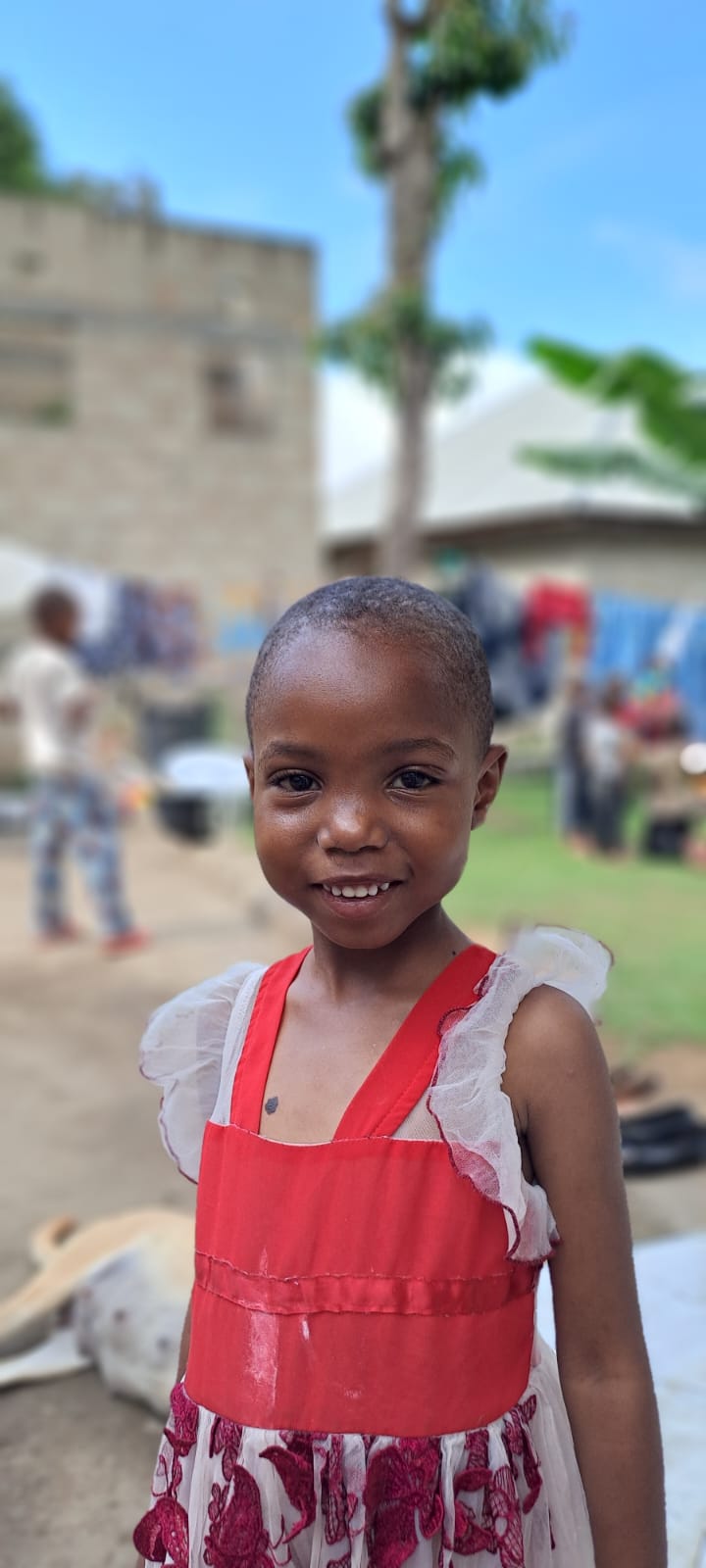
Arusha sits at the foot of Mount Meru in northern Tanzania, best known to outsiders as the launch point for safaris to the Serengeti, Ngorongoro and Tarangire. What most visitors never see is the network of small children's homes scattered across the city's outer wards — Duluti, Usa River, Tengeru, Sakina. These homes care for children who have lost one or both parents, or whose families simply cannot feed them.
If you are planning a trip, sponsoring a child, or considering supporting an orphanage in Arusha, this guide explains how these homes are organised, how children come to live in them, and the kinds of help that actually make a difference.
Why Arusha has so many children's homes
Tanzania is a young country: roughly 43% of its population is under 15. In the northern regions around Arusha and Kilimanjaro, HIV, malaria, road accidents, and the everyday hardship of subsistence farming still leave thousands of children without one or both parents each year. Extended family — aunts, grandmothers, older siblings — absorbs most of them, as it always has. But when there is no relative who can stretch one more plate of ugali, children end up in a home.
Arusha, as the regional capital and a place where international visitors actually pass through, has become a hub for these small homes. Most are Tanzanian-founded and Tanzanian-run, often by a single person who started with two or three children in their own house and grew from there.
What an Arusha orphanage actually looks like
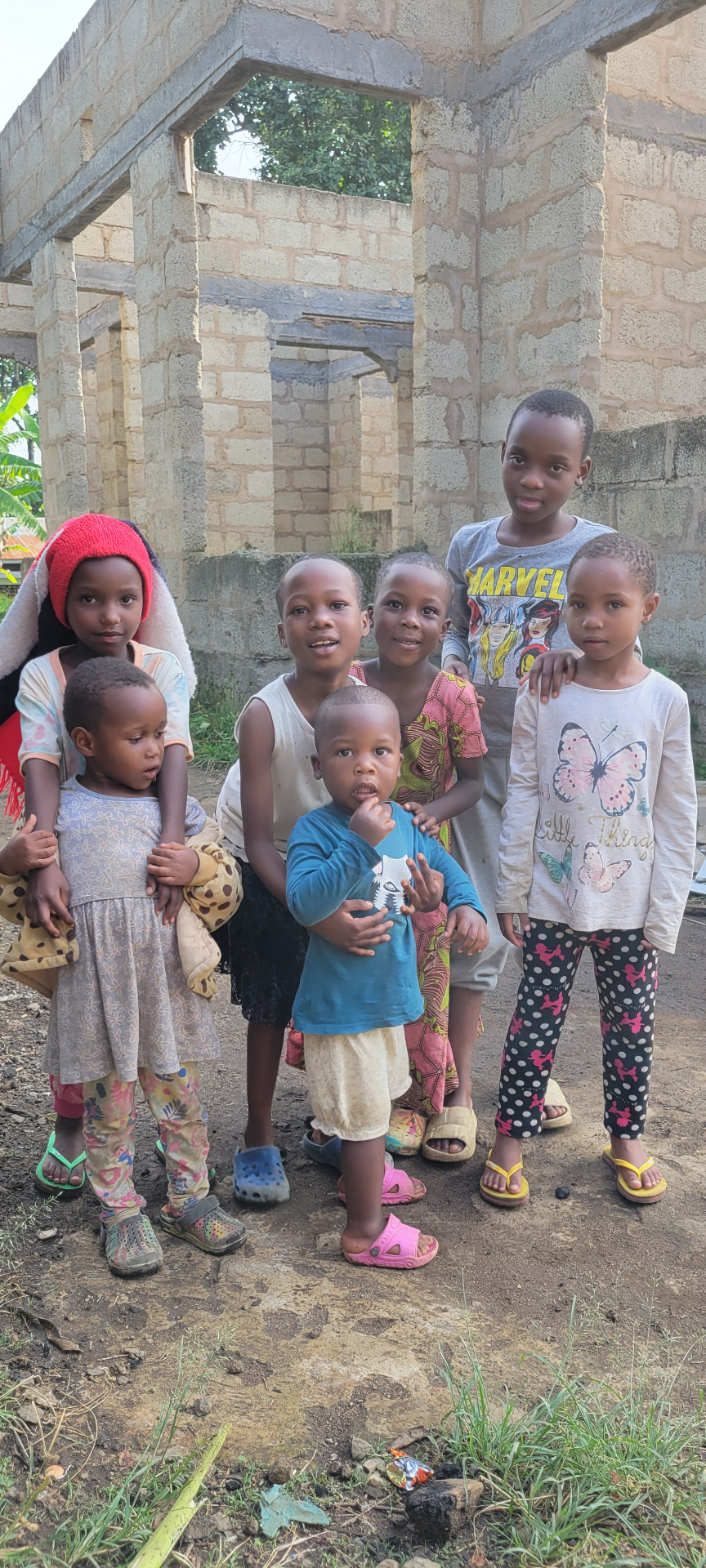
Forget the institutional image. A typical orphanage in Arusha is a walled compound with one or two dormitory buildings, a kitchen with a wood-fired stove, a few classrooms, a yard for football, and a vegetable garden out back. There are usually between 20 and 80 children living together as one extended family.
A normal day starts early. Children wake around 6:00, wash, eat porridge made from maize flour, and walk — or in some homes, simply cross the yard — to school. Afternoons are for homework, chores and play. Dinner is rice or ugali with beans, vegetables and, on a good week, a little meat. Lights out is around 21:00.
How children end up in an orphanage
Children rarely arrive through dramatic stories. The path is usually quieter: a single mother passes away, the father is absent, the grandmother is too old to provide. A neighbour, a teacher, or the local social welfare office (Ustawi wa Jamii) brings the child to a registered home. Each placement is reviewed by the district authority, and homes are required by Tanzanian law to keep records, report regularly, and maintain minimum standards of care.
At Fruitful Orphanage in Duluti, every child has a file, a known family of origin (where possible), and a plan that includes school enrolment, healthcare and — when the family situation allows — eventual reunification.
How to tell a good orphanage from a bad one
Not every home that calls itself an orphanage operates well. If you are planning to visit, donate, or sponsor a child in Arusha, a few simple signs separate the serious ones from the rest:
- It is officially registered with Tanzania's Ministry of Health, Community Development, Gender, Elderly and Children.
- It does not allow short-term tourist volunteering that involves close contact with the children (this is now widely understood to cause attachment harm).
- It does not parade children, use their full names or photograph their faces for fundraising.
- Money flows are documented, and the director can explain monthly running costs in plain numbers.
- Children attend a real, accredited school — either on-site or nearby.
The most useful ways to help
Most well-run homes in Arusha do not need another t-shirt drive or a one-week visitor. What they consistently need is predictable monthly income to cover the boring, essential costs: food, school fees, medicines, electricity, salaries for cooks and house mothers.
- Sponsor a child monthly — even a small recurring amount lets a home plan a school year instead of a week.
- Cover a specific cost — a month of food, a term of school fees, a medical check-up.
- Buy local — donating cash that is spent at Arusha markets supports the local economy as well as the children.
- Share the home's work with people back home who travel to Tanzania.
"We do not need many things. We need the same thing, every month, for years. That is what raises a child."
Visiting Arusha and meeting a home in person
If you are already coming to Arusha for a safari or to climb Kilimanjaro, you are welcome to visit — but please contact the home first, keep the visit short, and accept that you will probably not meet the children individually. That is a feature, not a flaw: it means the home takes child protection seriously.
Fruitful Orphanage is in Duluti, about 25 minutes from Arusha town and on the way to Arusha National Park. Reach out before you travel and we will tell you honestly whether a visit is a good use of your time and ours.
Sponsor a child at Fruitful Orphanage in Arusha.
A small monthly gift covers food, school fees and care for a child you can follow as they grow.